
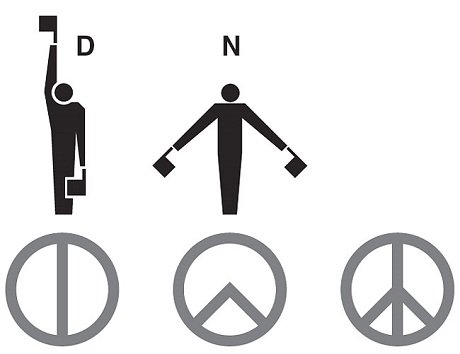

The peace symbol is one of the most recognized symbols in the world. When people see it, they often think of peace, calm, unity, and non-violence. The symbol is a circle with three lines inside it. Even without words, the peace symbool sends a clear message: a wish for a world without conflict or harm. Over time, it has become a universal sign that goes beyond language, religion, and borders.
Today, the peace symbool meaning is broader than ever. It is not only about stopping wars. Many people use the peace symbool to show support for human rights, equality, environmental protection, and kindness. You can find the peace symbool on clothes, posters, jewelry, tattoos, and even social media emojis. Its simple design makes it easy to remember, and its message makes it powerful.
Quick Facts About the Peace Symbool
| Topic | Information |
|---|---|
| Common Meaning | Peace, non-violence, unity |
| Shape | Circle with internal lines |
| Used By | Activists, artists, everyday people |
| Global Recognition | Yes, worldwide |
The reason the peace symbol became so popular is because it is simple but deep. It does not belong to one country or one group. Anyone can use it to express hope, harmony, and understanding. This is why the peace symbool is still relevant today and continues to appear in many parts of daily life.
History of the Peace Symbool
The peace symbool has a fascinating history that began in the late 1950s. It was created in 1958 by a British designer named Gerald Holtom. Holtom designed the symbol for the Campaign for Nuclear Disarmament (CND) in the United Kingdom, a movement that aimed to stop the spread and use of nuclear weapons. At the time, the world was deeply worried about the threat of nuclear war, and people were searching for a clear, visual message of peace and protest.
From its early use in anti-nuclear marches, the peace symbool quickly caught on. By the 1960s, it had traveled beyond the UK, becoming a universal icon of the anti-war movement, especially during the Vietnam War protests. It was embraced by hippies, civil rights activists, and many other groups who wanted to promote peace and social justice.
Table: Key Moments in Peace Symbool History
| Year | Event |
|---|---|
| 1958 | Peace symbol designed by Gerald Holtom for CND |
| 1960s | Adopted worldwide during Vietnam War protests |
| 1970s | Used by environmental and civil rights movements |
| Present | Continues as a symbol for peace and activism globally |
What’s interesting is that the symbol wasn’t originally designed as a “peace sign” alone. Holtom described it as a symbol of “despair,” representing a person with arms outstretched downward. Over time, however, people gave it a new meaning — one of hope and peaceful protest. This change shows how symbols can grow and evolve with society.
Origin and Design of the Peace Symbool
The design of the peace symbool is very clever and full of meaning. Gerald Holtom based it on semaphore signals, a way of sending messages with flags. In semaphore, the letters N and D stand for “Nuclear Disarmament,” which was the original focus of the Campaign for Nuclear Disarmament.
The letter N is shown by holding two flags in an inverted “V” shape, and the letter D is shown by holding one flag straight up and one flag straight down. When you combine these two semaphore signals inside a circle, you get the peace symbool.
The circle represents the Earth or the world, while the lines inside symbolize the call for nuclear disarmament. The simplicity of the design makes it easy to draw and remember, which helped it spread fast among protesters and peace advocates.
Many people have misunderstood the symbol over the years. Some thought it was a broken cross or had religious meanings, but these ideas are incorrect. The peace symbool is purely a political and social symbol with its roots in anti-nuclear activism.
Peace Symbool Meanings Across Cultures
Though the peace symbool started in the UK, its meaning has expanded worldwide and changed slightly depending on culture and context. In most Western countries, the symbol still stands for peace, anti-war, and civil rights. It is often connected with movements that fight for equality, freedom, and justice.
In other cultures, the peace symbool can have additional meanings. For example, in some Eastern cultures, it is sometimes linked to ideas of balance and harmony. People also use the symbol in religious contexts to express spiritual peace and goodwill.
However, the peace symbool is mainly seen as a universal message that goes beyond politics or religion. It’s about wanting a safer, kinder world where conflicts are resolved without violence.
Peace Symbol vs Other Peace Signs
While the circle peace symbol is very famous, it is not the only way people show peace. There are several other well-known peace signs:
-
The peace hand sign (holding up two fingers in a “V” shape) became popular during the 1960s and is still used today as a gesture meaning “peace” or “victory.”
-
The dove carrying an olive branch is an ancient symbol of peace found in many religious and cultural stories.
-
The olive branch itself is a traditional symbol of peace and reconciliation used for thousands of years.
| Symbol | Meaning | Usage |
|---|---|---|
| Peace Symbol (☮️) | Nuclear disarmament, peace | Worldwide, activism, fashion |
| Peace Hand Sign (✌️) | Peace, victory | Gestures, protests, social media |
| Dove with Olive Branch | Peace, purity, hope | Religious art, literature |
| Olive Branch | Peace, truce | Historical and modern symbols |
The peace symbol designed by Holtom became the most widely recognized because of its clear political message during the nuclear age and the global peace movements.
Peace Symbol in Modern Times
Today, the peace symbol remains powerful and popular. It is everywhere—from clothing and jewelry to tattoos and digital emojis. People use it to express a desire for harmony, whether related to world peace, social justice, or personal calm.
Artists and fashion designers often include the peace symbol in their work to make statements about unity and kindness. It also appears in protests and rallies for various causes, reminding everyone that peaceful solutions are possible.
In the digital world, the peace emoji (☮️ or ✌️) is a quick way to show support for peace and goodwill. Even younger generations, who didn’t live through the original anti-war movements, use the peace symbol as a sign of hope and care.
Common Questions About the Peace Symbol
Here are some common questions people ask about the peace symbol:
-
Is the peace symbol religious?
No, the peace symbol is not religious. It was created as a political sign for nuclear disarmament and peace activism. -
Is the peace symbol offensive?
Generally, no. It is widely accepted as a positive symbol, though some misunderstandings have occurred in history. -
What does an upside-down peace symbol mean?
An upside-down peace symbol doesn’t have an official meaning but is sometimes used as a form of protest or to attract attention. -
Can the peace symbol have different meanings?
Yes, depending on culture and context, but it mainly represents peace, hope, and non-violence. -
Why do people still use the peace symbol today?
Because the desire for peace remains strong, and the symbol is a simple, clear way to express that hope.