
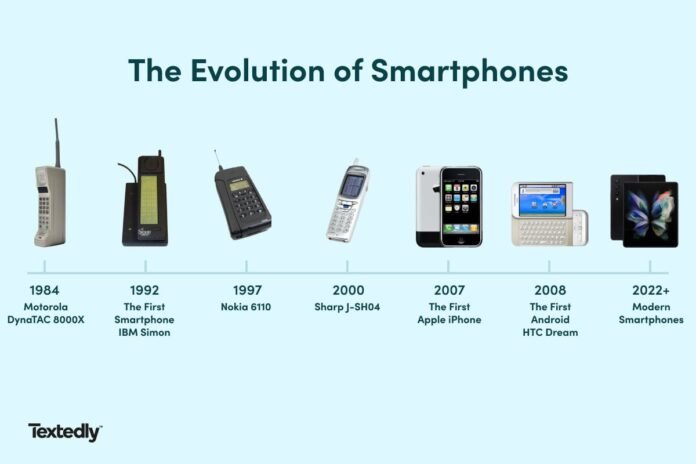

The first cell phone was a groundbreaking invention that changed how people communicate forever. Before this device existed, phones were fixed to walls or used only in cars. Imagine how limited it was to call someone only when you were near a telephone! The first cell phone broke these chains by allowing people to talk on the go, anywhere within a network’s coverage area. This freedom started a communication revolution that evolved into the smartphones we use today.
Mobile communication before the first cell phone was mostly done through bulky radios or car phones that were tied to vehicle power sources. These devices were not truly portable and were mostly used by emergency services or businesspeople. The idea of carrying a small phone in your pocket seemed almost impossible until Martin Cooper and his team at Motorola made it real in the early 1970s. This new technology opened doors for endless possibilities in communication, making the world feel smaller and more connected.
Who Invented the First Cell Phone?
The credit for inventing the first cell phone goes to Martin Cooper, a brilliant engineer working at Motorola. On April 3, 1973, Cooper made history by making the first-ever public handheld mobile phone call. Imagine holding a phone without a cord and talking to someone far away—that was a huge step forward!
Cooper and his team worked for years to create a device that was portable, wireless, and practical. Before this, mobile phones were large, heavy, and only installed in cars. The team wanted to build a phone that anyone could carry in their hand and use wherever they went. Cooper’s famous first call was made to his rival at Bell Labs, showing the world that wireless communication was no longer a dream but a reality. This invention paved the way for the mobile phone industry we know today.
Features and Specifications of the First Cell Phone
The Motorola DynaTAC 8000X, the first cell phone, was unlike any phone people had seen before. But it was also very different from modern smartphones. It weighed about 2.5 pounds (more than a laptop!) and was roughly 10 inches long, making it bulky and heavy by today’s standards.
Here’s a quick table of its key features:
| Feature | Specification |
|---|---|
| Weight | 2.5 pounds (1.1 kg) |
| Size | 10 inches long |
| Talk Time | About 20 minutes |
| Charging Time | Around 10 hours |
| Price at Launch | Nearly $4,000 (1983 dollars) |
Because of its size and price, the first cell phone was mostly used by business professionals and wealthy people. It had a very limited battery life, allowing about 20 minutes of talk time before needing a recharge. Despite these limitations, the phone was a major success because it gave people the freedom to communicate anywhere without being tied to a landline.
How Did the First Cell Phone Work?
The first cell phone worked by connecting to analog cellular networks. Unlike today’s digital networks, analog systems sent voice signals through radio waves between the phone and nearby cell towers. These towers covered a limited area, called a “cell,” which is how the technology got its name.
The phone made and received calls by switching signals from one tower to another as the user moved around. But the early technology had some challenges: limited coverage areas, low voice quality, and fewer available channels for calls. The analog network was also less secure and more prone to interference compared to today’s digital networks.
Despite these issues, the system was a giant leap from landlines and car phones. It showed that wireless, portable communication was possible, and it set the foundation for all future mobile technology.
Impact of the First Cell Phone on Society
The arrival of the first cell phone changed many parts of society. Suddenly, people were no longer tied to one place to make a call, which meant quicker decisions in business and emergencies. Mobile phones allowed people to stay connected with family and friends even when they were away from home.
Businesses especially benefited because managers and salespeople could communicate while traveling, speeding up work and closing deals faster. Emergency responders also gained a new tool to get help faster, improving public safety.
Socially, the first cell phone started changing how people viewed communication. It encouraged mobility and instant connection, making it easier to keep in touch and plan activities on the fly. This shift eventually led to today’s connected world, where communication is fast, personal, and constant.
Evolution After the First Cell Phone
After the first cell phone came the rise of many improvements and innovations. In the 1980s and 1990s, phones became smaller, lighter, and more affordable. The switch from analog to digital networks made calls clearer and more secure.
Then came text messaging (SMS), which changed how people shared quick updates. Phones started adding features like cameras, internet access, and touchscreens. By the early 2000s, smartphones appeared, combining phones with computers to do much more than just call or text.
This evolution has led to the devices we carry today—powerful, multi-functional tools that connect us globally. The first cell phone started it all by proving that wireless communication was possible, and every step since has built on that foundation.
Fun Facts and Common Questions About the First Cell Phone
Here are some interesting things many people wonder about the first cell phone:
-
Why was it so big? The technology at the time was bulky, especially the batteries and antennas, making the phone large and heavy.
-
How much did it cost? The first call phone cost almost $4,000 in the 1980s, which is about $11,000 today when adjusted for inflation!
-
When was the first text message sent? The first SMS was sent in 1992, nearly 20 years after the first call phone call.
-
How did people react? Many were amazed and curious, but some thought it was just a luxury for the rich.
-
Was it easy to use? Early phones had limited buttons and no screens, so using them took some practice.
These facts show how far mobile technology has come, and how the first call phone was just the beginning of an amazing journey.
FAQs
1. What was the first cell phone ever made?
The first cell phone was the Motorola DynaTAC 8000X, invented by Martin Cooper in 1973. It was the first handheld mobile phone to make a public call.
2. How big was the first cell phone?
It was quite large, about 10 inches long and weighed 2.5 pounds, much bigger than today’s smartphones.
3. Why did the first cell phone cost so much?
The technology was new and expensive to produce, with high-cost batteries and hardware, leading to a price around $4,000 in the 1980s.
4. How long could you talk on the first cell phone?
The battery lasted around 20 minutes of talk time before needing to be recharged for about 10 hours.
5. How did the first cell phone change communication?
It allowed people to make calls anywhere within the network, freeing them from landlines and changing social and business communication forever.