
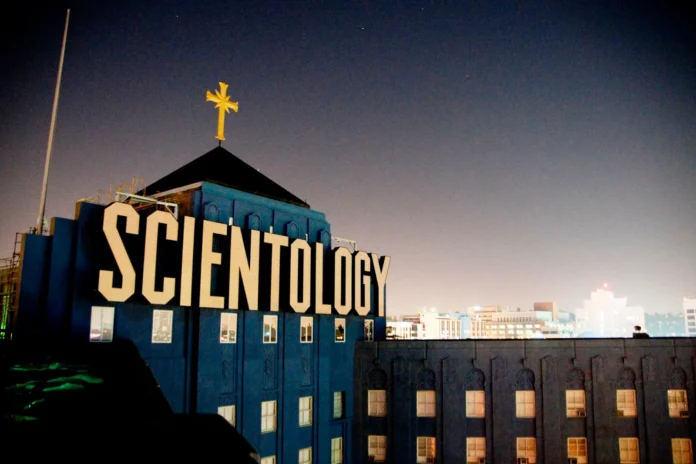

Scientology beliefs form the foundation of a spiritual movement created in the 1950s by L. Ron Hubbard, a writer who developed a new approach to understanding human existence and the spirit. Unlike traditional religions that focus on worship or faith in a deity, Scientology centers on the idea that humans are spiritual beings who have forgotten their true nature. Because of this, Scientology differs greatly from many other religions.
The Church of Scientology, which organizes these beliefs, teaches that each person is an immortal spiritual entity called a thetan. Thetans are said to have lived many past lives, carrying memories and experiences that influence their current behavior and emotions. However, they have forgotten their true self due to traumatic events from these past lives.
Many people are curious about Scientology because it often appears mysterious or controversial. Some see it as a religion, others as a self-help system, and some critics call it a cult. Despite these varied opinions, Scientology beliefs continue to attract followers worldwide who seek spiritual freedom and self-improvement.
The Core Concepts of Scientology Beliefs
At the heart of Scientology beliefs lies the idea that humans are not just physical bodies but spiritual beings called thetans. According to Scientology, the thetan is immortal, meaning it has existed forever and will continue to exist after the death of the physical body. Thetans are believed to have lived through countless past lives, experiencing many worlds and realities. However, they have forgotten their true nature and powers due to traumatic events from these past lives.
One key teaching in Scientology is the concept of engrams. These are mental images or memories of painful or traumatic experiences stored in the subconscious mind. Engrams are thought to cause emotional and physical problems in the present life by limiting a person’s spiritual awareness. Therefore, the goal of Scientology is to help the individual erase these engrams through a process called auditing, which allows the thetan to become free of these harmful memories.
Another important idea is Dianetics, a system developed by L. Ron Hubbard that serves as a foundation for many Scientology beliefs. Dianetics describes how the mind works and offers techniques to clear negative experiences. When someone achieves the state of Clear, they are said to be free of engrams and able to think and live more freely. This state is considered a major milestone on the spiritual journey.
Scientology also teaches the path to spiritual enlightenment called the Bridge to Total Freedom. This “bridge” is a series of levels and steps that a Scientologist follows to gain more knowledge, abilities, and spiritual strength. Each level requires specific training and auditing sessions to help the thetan regain its original powers and wisdom.
Table: Key Terms in Scientology Beliefs
| Term | Meaning |
|---|---|
| Thetan | The immortal spiritual self, true identity |
| Engram | Hidden trauma causing problems |
| Dianetics | Science of mental health and spiritual clearing |
| Clear | State free of engrams and mental blocks |
| Auditing | Process to remove engrams and heal the thetan |
Practices That Reflect Scientology Beliefs
One of the most important ways Scientology beliefs come to life is through auditing. Auditing is a special one-on-one session where a trained auditor helps a person explore painful memories or engrams. During auditing, an E-meter—a device that measures tiny electrical changes in the skin—is used. This device may look simple, but Scientologists believe it helps identify where the spiritual blocks are located. As a result, auditing helps clear these blocks and allows the spiritual self, or thetan, to regain its freedom.
Besides auditing, Scientology includes many courses and training sessions. These classes teach members about their beliefs and help improve skills such as communication and ethics. In addition, members often attend church events to strengthen their understanding and commitment. Many followers find that these practices not only bring spiritual progress but also improve daily life by helping them solve problems and relate better to others.
Moreover, Scientology encourages community participation. Members support one another through group activities and church functions. This social aspect helps reinforce the beliefs and creates a sense of belonging. Therefore, the combination of auditing, training, and community builds a strong foundation for practicing Scientology beliefs in everyday life.
Quick Fact Table: Auditing and Training in Scientology
| Practice | Purpose | Tools Used |
|---|---|---|
| Auditing | Remove spiritual blocks and engrams | E-meter |
| Training | Teach beliefs and improve skills | Classes, seminars |
Scientology’s View on Mental Health and Psychiatry
Scientology beliefs take a very different approach to mental health than mainstream medicine. The Church of Scientology strongly opposes many psychiatric treatments, including the use of psychiatric drugs. This is because Scientologists believe mental and emotional problems stem from spiritual issues like engrams, rather than chemical imbalances in the brain.
As a result, Scientology promotes spiritual healing through auditing and other practices rather than conventional psychiatric care. This viewpoint has caused much debate and criticism from medical professionals, who warn that avoiding psychiatric treatment can be harmful.
However, followers of Scientology often say that their spiritual methods help them improve emotional wellbeing without needing medication. The church has even founded rehabilitation programs, such as Narconon, which use Scientology principles to help people overcome addiction.
Controversies and Criticisms Surrounding Scientology Beliefs
Scientology beliefs have not been without controversy. Over the years, many critics have raised concerns about the Church of Scientology’s secrecy and the high costs involved in its courses and auditing sessions. Former members sometimes describe strict control and pressure to spend large amounts of money.
Additionally, the church has been involved in legal battles and government investigations, focusing on issues like tax-exempt status and treatment of critics. Despite these challenges, the Church of Scientology firmly defends its teachings and insists that much of the criticism comes from misunderstandings or misinformation.
In fact, controversy seems to attract curiosity. Many people want to learn more about Scientology beliefs precisely because of the debates and disputes surrounding it. Whether viewed positively or negatively, Scientology remains a powerful and unique spiritual movement that continues to attract followers worldwide.
How Scientology Beliefs Influence Members’ Daily Lives
For those who follow Scientology beliefs, the impact goes beyond just spiritual practice. Members are encouraged to use the principles in their everyday decisions. For example, honesty, personal responsibility, and self-improvement are important values taught in the church.
Furthermore, members often report that practicing Scientology helps them communicate better, make ethical choices, and build stronger relationships. The church’s emphasis on personal growth encourages people to take control of their lives and work toward their goals.
Community is also a big part of Scientology. Many members participate in local church events and support each other through challenges. As a result, belonging to this community helps members stay committed to their beliefs and feel connected.
Frequently Asked Questions About Scientology Beliefs
Q1: Is Scientology a religion or a cult?
Scientology is officially recognized as a religion in many countries. However, some critics call it a cult because of its secretive nature. Followers see it as a genuine spiritual path focused on self-improvement.
Q2: Can anyone join Scientology and practice its beliefs?
Yes, anyone interested can join. The church encourages people to learn and progress through its courses and auditing sessions.
Q3: What does Scientology say about the afterlife?
Scientology believes in reincarnation. The spiritual self, or thetan, continues to live on after the death of the body and takes on new bodies in future lives.
Q4: What benefits do followers claim from Scientology beliefs?
Members often say auditing and training improve their mental clarity, emotional stability, and spiritual awareness.
Q5: How is Scientology different from other spiritual systems?
It combines self-help, spiritual teachings, and science-fiction elements focused on the immortal thetan and clearing mental blocks.