

When scientists talk about a cryptic species, they mean an animal that looks almost exactly like another known species but is actually different when we look closer, especially at its DNA. These species are called “cryptic” because they hide their true identity under similar shapes, colors, and sizes. Imagine two twins who look identical but have different fingerprints — that’s a bit like how cryptic species work in nature.
In the case of pangolins, these mysterious creatures are especially hard to study because they are shy, nocturnal, and rare. So, when researchers recently made a cryptic pangolin species discovery in India, it was a big deal. It means there’s more to learn about these animals than what meets the eye. Thanks to advances in genetic testing, scientists can now spot small differences in their DNA, helping them recognize species that were invisible to us before.
Understanding cryptic species helps us realize how rich and complex our natural world is. It also shows why protecting habitats is so important — we might be saving species we don’t even know exist yet!
Overview of Pangolins in India
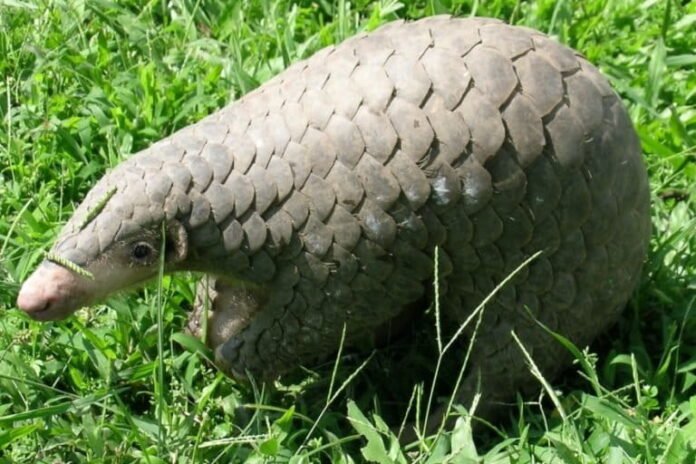
India is home to some of the world’s most unique and fascinating mammals called pangolins. These animals, often called “scaly anteaters,” are covered in tough scales made of keratin—the same material as our fingernails. They use these scales as armor to protect themselves from predators. India has two main species of pangolins: the Indian pangolin (Manis crassicaudata) and the Chinese pangolin (Manis pentadactyla), although the latter is more common in northeastern India.
Pangolins play an important role in the environment. They help control insect populations by feeding mostly on ants and termites, which in turn keeps ecosystems balanced. However, despite their ecological importance, pangolins face serious threats. In India, habitat destruction due to urbanization and agriculture has reduced their living spaces. On top of that, illegal wildlife trafficking is a huge problem. Pangolins are among the most trafficked mammals globally, hunted for their scales and meat.
The discovery of a cryptic pangolin species in India adds a new layer to this story. It shows that the pangolin family in India is more diverse than we thought, and there may be unknown species that need urgent protection.
The Recent Discovery of a Cryptic Pangolin Species in India
In recent years, researchers made a stunning breakthrough: the discovery of a cryptic pangolin species in India. This new species was found mainly through advanced DNA analysis and careful study of pangolin populations in the northeastern states like Arunachal Pradesh and Assam. Unlike previous discoveries that relied on physical features, this discovery used genetics to reveal differences that were impossible to see with the naked eye.
Scientists named this species the Indo-Burmese pangolin (Manis indoburmanica). What makes this species special is that it has been hiding in plain sight, mistaken for the Indian or Chinese pangolin. The genetic evidence shows that it split from other pangolins millions of years ago, adapting uniquely to the Indo-Burma region’s environment.
This discovery is exciting because it helps fill gaps in our knowledge about pangolins’ evolution and distribution. It also raises awareness of the biodiversity in India’s forests that still needs exploration. Field surveys have confirmed sightings and even photographs of this species, confirming it is a real, living member of India’s wildlife.
Why the Cryptic Pangolin Species Discovery Matters
The cryptic pangolin species discovery in India is not just a scientific curiosity—it has real-world impacts, especially for conservation. First, recognizing a new species helps scientists and policymakers better understand biodiversity hotspots. It highlights that protecting habitats in northeast India is crucial to preserving these hidden species.
Second, this discovery helps conservation groups tailor their strategies. Different pangolin species might have different behaviors, diets, or habitats. Without knowing which species is where, efforts to save them can fail. Now, with this new species identified, resources can be better directed to protect it.
Finally, the discovery strengthens the fight against illegal wildlife trade. Traffickers often catch pangolins without knowing which species they are selling. Knowing about this new species means law enforcement can use DNA tests to track and prevent illegal trafficking more effectively, protecting these endangered animals from extinction.
The Science Behind Identifying Cryptic Species
Identifying a cryptic species like the new pangolin in India involves cutting-edge science. Researchers rely heavily on DNA sequencing, where they extract genetic material from pangolin samples and compare it to known species. This process reveals tiny differences that show the existence of distinct species even if they look very similar.
Field studies are also important. Scientists observe behavior, habitat preferences, and physical features, but genetics provides the definitive evidence. Sometimes, the only physical clues might be subtle scale patterns or size differences, which are easy to miss.
The discovery of cryptic species isn’t new globally—many other animals, like frogs and insects, have had cryptic species uncovered recently. But in the case of pangolins, it’s particularly important because they are so vulnerable to extinction and difficult to study.
How Does This Discovery Affect Pangolin Conservation Efforts in India?
Finding a new pangolin species in India is a wake-up call for conservation. It means that existing protection laws and wildlife reserves may need updating to include this species specifically. Conservationists must now focus on the genetic diversity within pangolins, which is crucial for their long-term survival.
Local communities living near pangolin habitats are key to conservation success. By involving them in awareness programs and protection efforts, the chances of poaching and illegal hunting decrease. The discovery also encourages the government and NGOs to fund more research and monitoring programs in critical regions.
Here’s a quick table summarizing the conservation impact:
| Conservation Focus | Impact of Discovery |
|---|---|
| Species Identification | New species recognized, leading to better data |
| Legal Protection | Updated laws can include the cryptic species |
| Community Engagement | Local support vital for habitat protection |
| Anti-Poaching Efforts | DNA testing improves tracking of illegal trade |
| Research Funding | Increased attention and resources for pangolins |
Frequently Asked Questions About Cryptic Pangolin Species in India
1. What makes a cryptic pangolin species different?
A cryptic pangolin species looks very similar to other species but is genetically distinct. They are “hidden” because their physical differences are subtle or not visible.
2. Where is the newly discovered pangolin found in India?
The new pangolin species mainly lives in northeastern India, especially in Arunachal Pradesh and Assam.
3. Why is this discovery important?
It helps scientists understand pangolin diversity and improves conservation strategies to protect endangered species.
4. Are pangolins endangered?
Yes, all pangolin species are threatened due to habitat loss and illegal trafficking.
5. How can people help protect pangolins?
Support wildlife conservation groups, avoid buying pangolin products, and raise awareness about their importance.